
Cycling in Amsterdam: A Visitor's Guide
How to rent, where to ride, and how to stay out of the locals' way
How to cycle Amsterdam like a local in 2026 — bike rental costs, the rules and fines to know, safety tips, parking without theft, and the best routes.
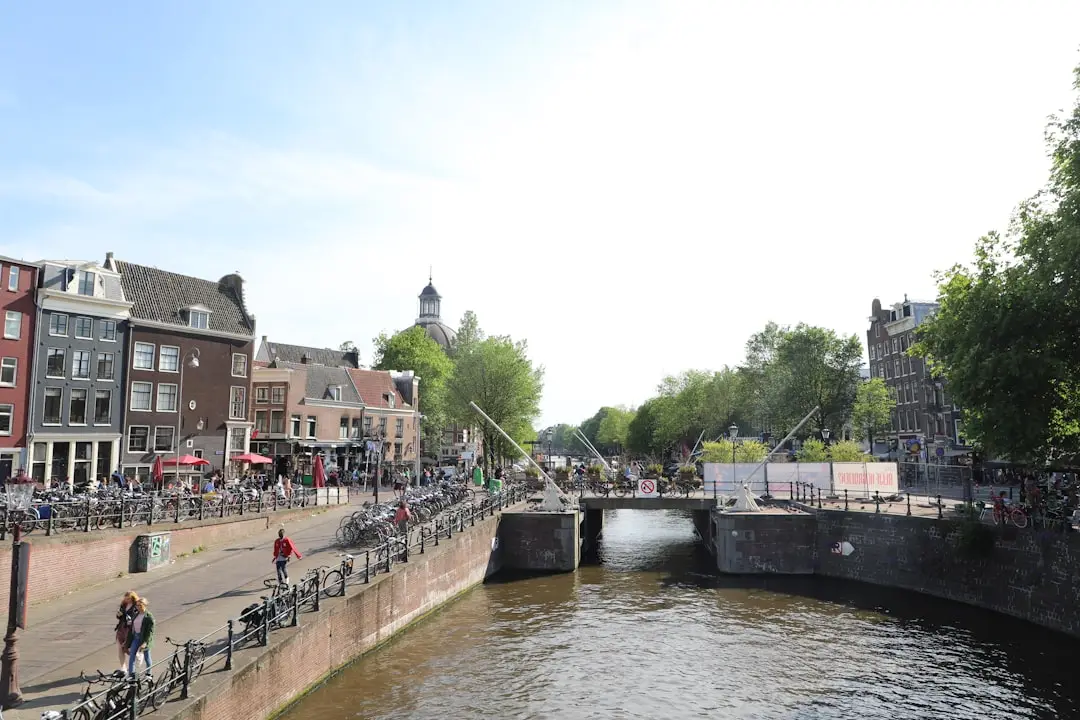
Amsterdam isn't called the bike capital of the world for nothing — there are more bikes here than people, and cycling makes up around 40% of all traffic. Renting a bike is the single best way to experience the city the way locals do: faster than walking, more intimate than a tram, and frankly just fun. But Amsterdam cycling has its own fast, assertive rhythm, so here's how to rent, where to ride, and how to stay safe and out of the locals' way.
Renting a bike
Rental shops cluster around Centraal Station, Leidseplein, and Vondelpark, and most let you book online or even deliver to your hotel. A standard Dutch city bike can be rented for a daily fee, with shorter hires also available; e-bikes cost more. For total flexibility, the Donkey Republic app lets you unlock share bikes by the hour around the centre. You'll pay the rental fee plus a deposit (cash or a held card), and locks are always included — ask for a helmet if you'd like one, though you'll notice almost no locals wear them.
The rules (and the fines)
Cycling here is governed by real traffic laws, and police do issue fines. The essentials:
A working bell is required by law — it's how you warn pedestrians and slower riders.
Lights are mandatory after dark, front and rear; riding without them risks a fine of around €75.
Using your phone while cycling is illegal and carries a hefty fine of around €170.
Obey traffic lights — running a red as a cyclist can cost around €120.
Never cycle under the influence of alcohol.
Signal your turns with an outstretched arm — right arm to turn right, left arm to turn left.
Helmets aren't required for ordinary bikes and only a small fraction of Dutch cyclists wear them, but there's no shame in it if it makes you more comfortable.
Riding like a local
The golden rule: be predictable and decisive. Stay to the right, keep a steady line, and let faster riders pass on your left. Cross tram tracks at an angle, never parallel, so your wheel doesn't catch. Use the dedicated red bike lanes, not the pavement or the road. And watch for the city's other hazard — disoriented tourists wandering into the bike path to photograph a canal. If you're nervous, start with a gentle loop of Vondelpark or Westerpark, or the quieter outskirts, before braving the centre.
Parking without losing your bike
Bike theft is a genuine Amsterdam tradition, so always lock up properly — most rentals come with two locks, and you should use both, securing the frame to a fixed rack. Use marked bike racks or the guarded indoor parking garages (fietsenstallingen) at major squares and stations, which are often free for the first 24 hours. Don't lock to bridges, trees, or lampposts: illegally parked bikes get removed, and reclaiming one costs around €25.
Where to ride
For first-timers, a loop of the canal ring is the classic. Vondelpark is a relaxed warm-up. For something more memorable, take the free ferry behind Centraal Station across the IJ to Amsterdam Noord and ride the waterfront past EYE Filmmuseum. And if you catch the cycling bug, the path south along the Amstel river leads quickly out into open Dutch countryside, windmills and all.
Get the basics right and a bike turns Amsterdam from a city you walk around into a city you actually live in for a few days.
More cycling: cycling routes, bike tours and bike rentals.
Keep reading

Field guide
Getting Around Amsterdam
Amsterdam is small enough to walk, but its trams, metro and ferries are quick, cheap and easy once you know how to pay. Here is the 2026 version.
Field guide
Amsterdam in 1 Day: The Perfect Itinerary
A practical one-day Amsterdam itinerary — a great museum, the canals and Jordaan, a hidden courtyard, and dinner in De Pijp at golden hour.
Field guide
The best neighbourhoods in Amsterdam — matched to how you travel
Which Amsterdam neighbourhoods deserve your time, matched to how you travel: first visit, food-first, culture, nightlife, with kids, or escaping the crowds.