
Neighbourhoods
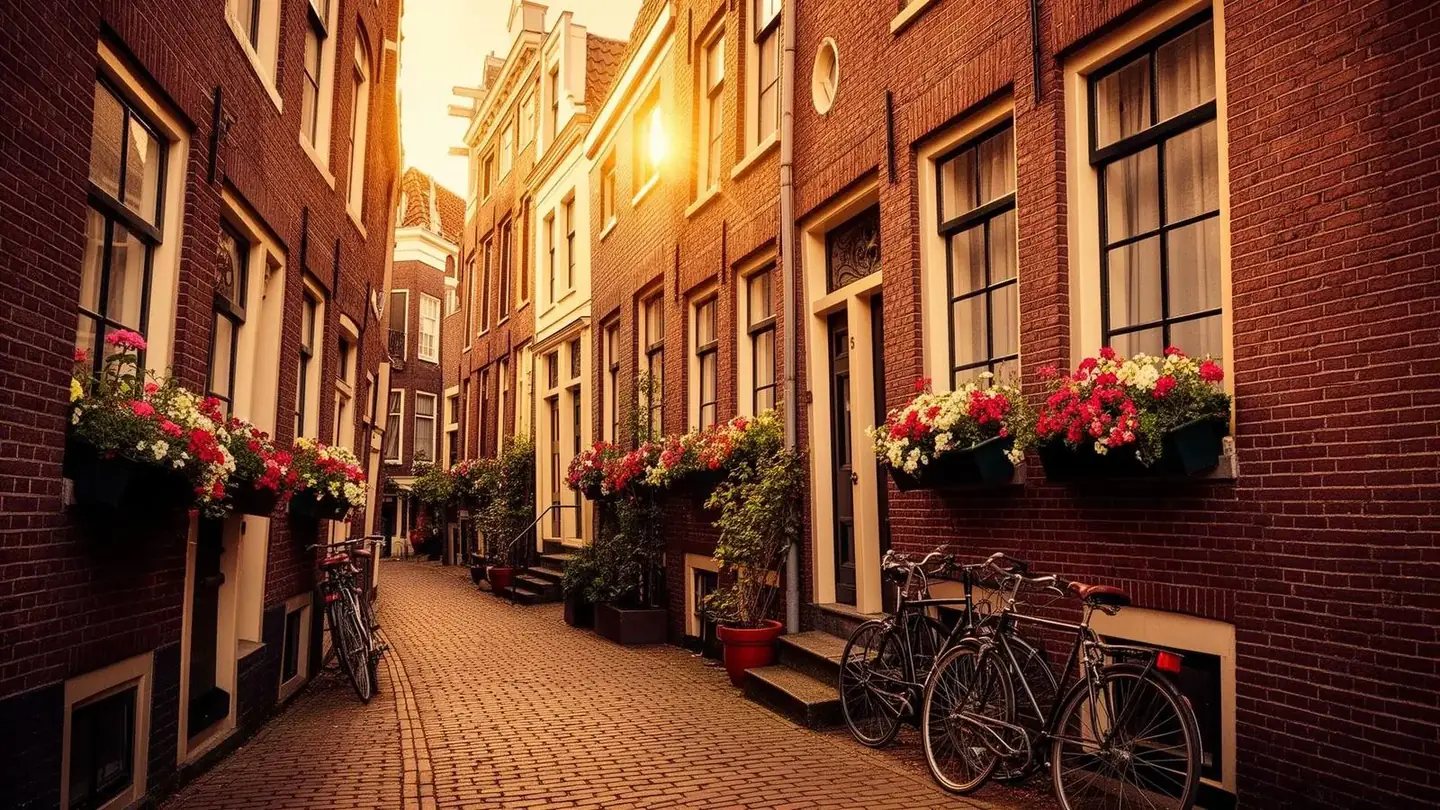
Neighbourhoods, by the people who live in them.
Amsterdam is split into seven stadsdelen — each a cluster of neighbourhoods with its own pace, accent and corner café. Pick one, and stay a while.
Green
Amsterdam Nieuw-West
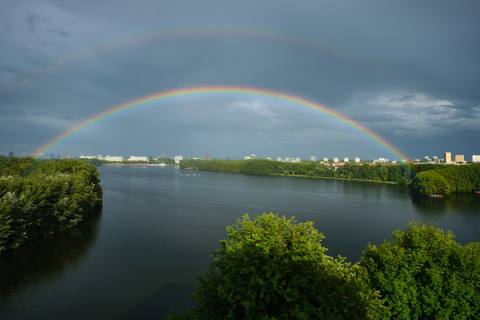
Spacious post-war "garden cities" around the Sloterplas lake — green, residential and well off the tourist map.

Creative
Amsterdam-Noord
Amsterdam's creative, post-industrial frontier across the IJ — street art, festivals, waterfront bars and bold architecture.

Diverse
Amsterdam-Oost
Amsterdam Oost: vibrant multicultural area with Oosterpark, Dappermarkt, Brouwerij ’t IJ and authentic local atmosphere.
Trendy
Amsterdam-West
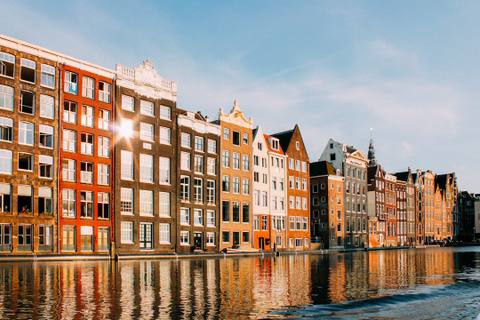
Trendy, diverse and full of life — revived 19th-century streets, great food halls, leafy parks and a young, local energy.
Elegant
Amsterdam-Zuid
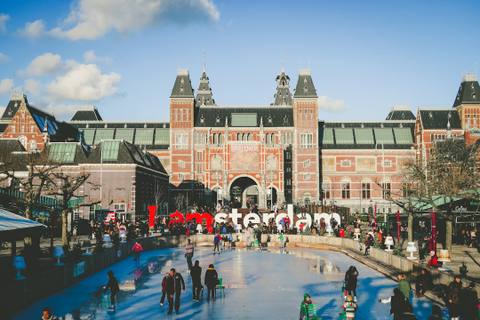
Amsterdam's elegant, green south — Museumplein, Vondelpark, the Concertgebouw and the city's smartest streets.
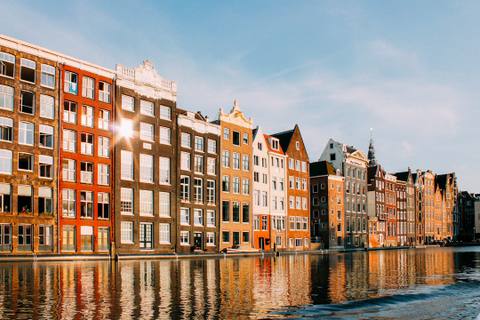
Diverse
Amsterdam-Zuidoost
Multicultural, modern and green — high-rises, big lakeside parks, the Johan Cruijff ArenA and the country's biggest concert venues.
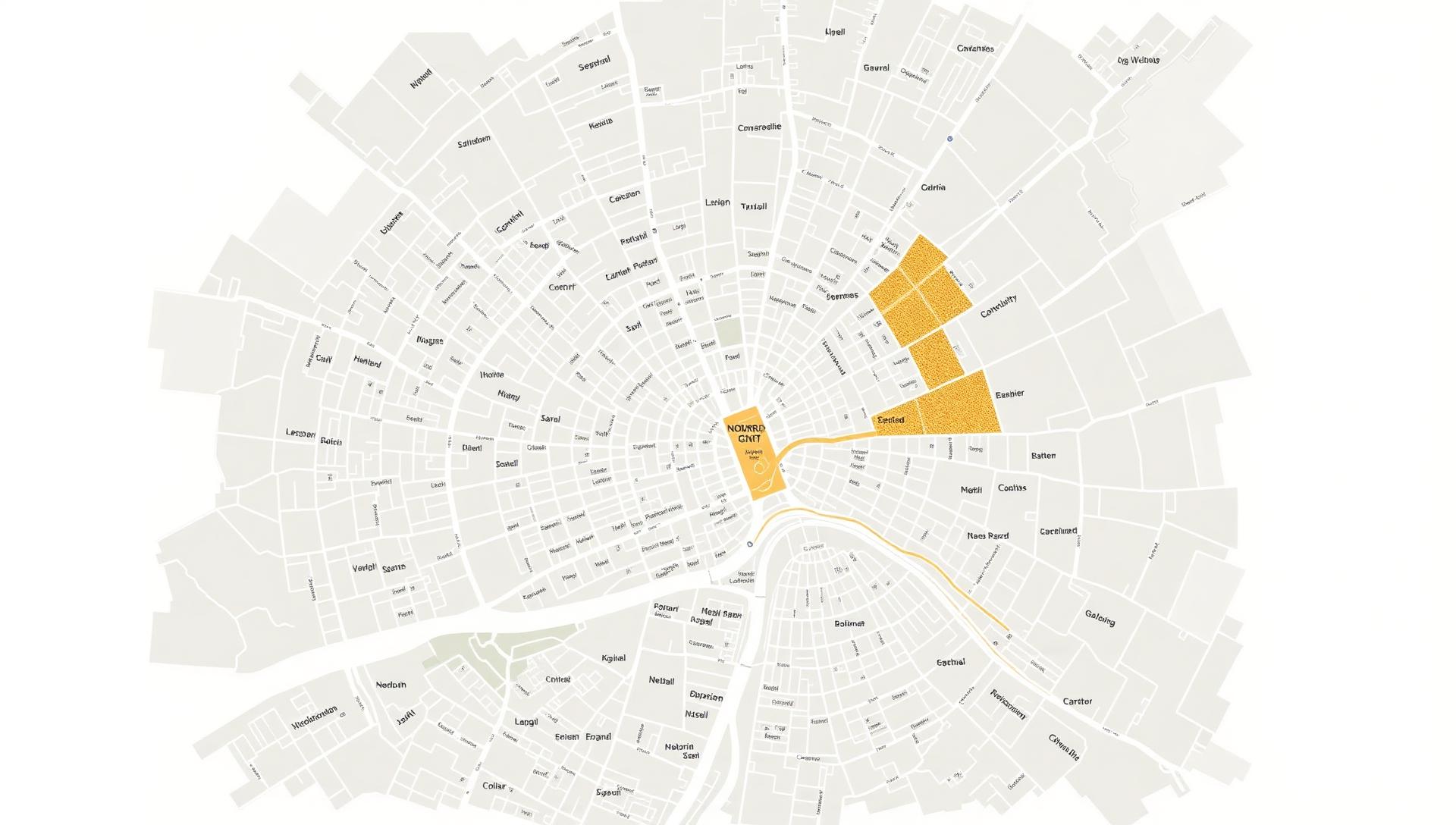
experimental
Buiksloterham — the circular experiment across the IJ
A former industrial polder in Noord reinventing itself plot by plot: self-build homes, floating villages and sustainability pioneers at the water's edge.
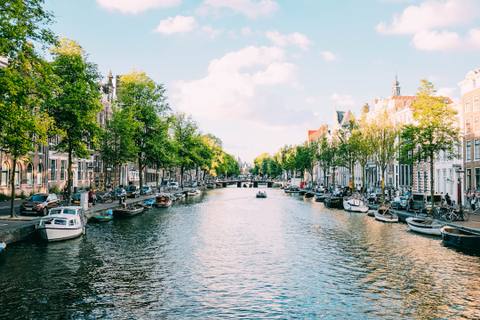
Historic
Centrum (Old Centre)
The historic heart of Amsterdam — UNESCO canals, the medieval old centre, and most of the city's famous sights, all within walking distance.
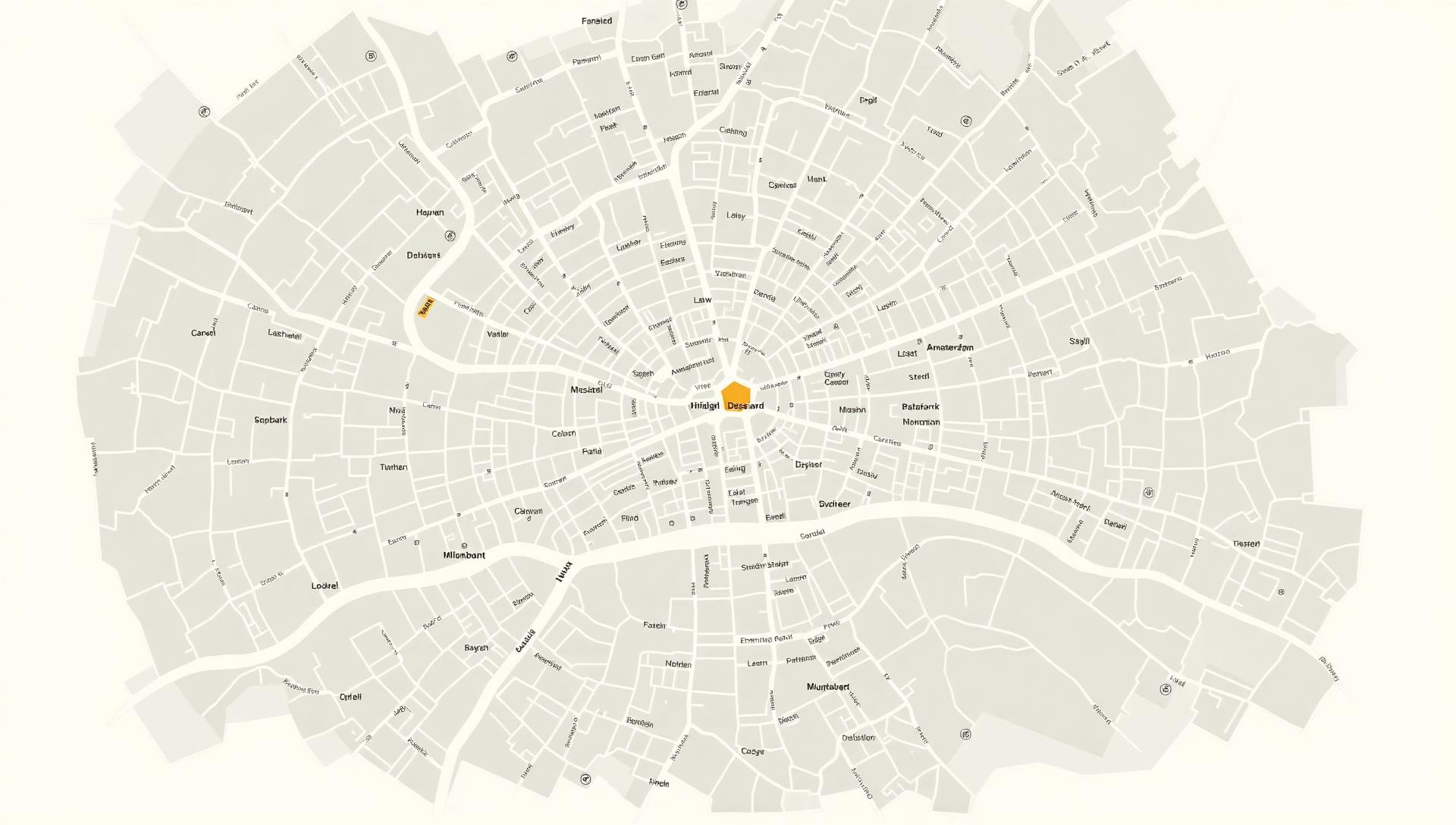
market
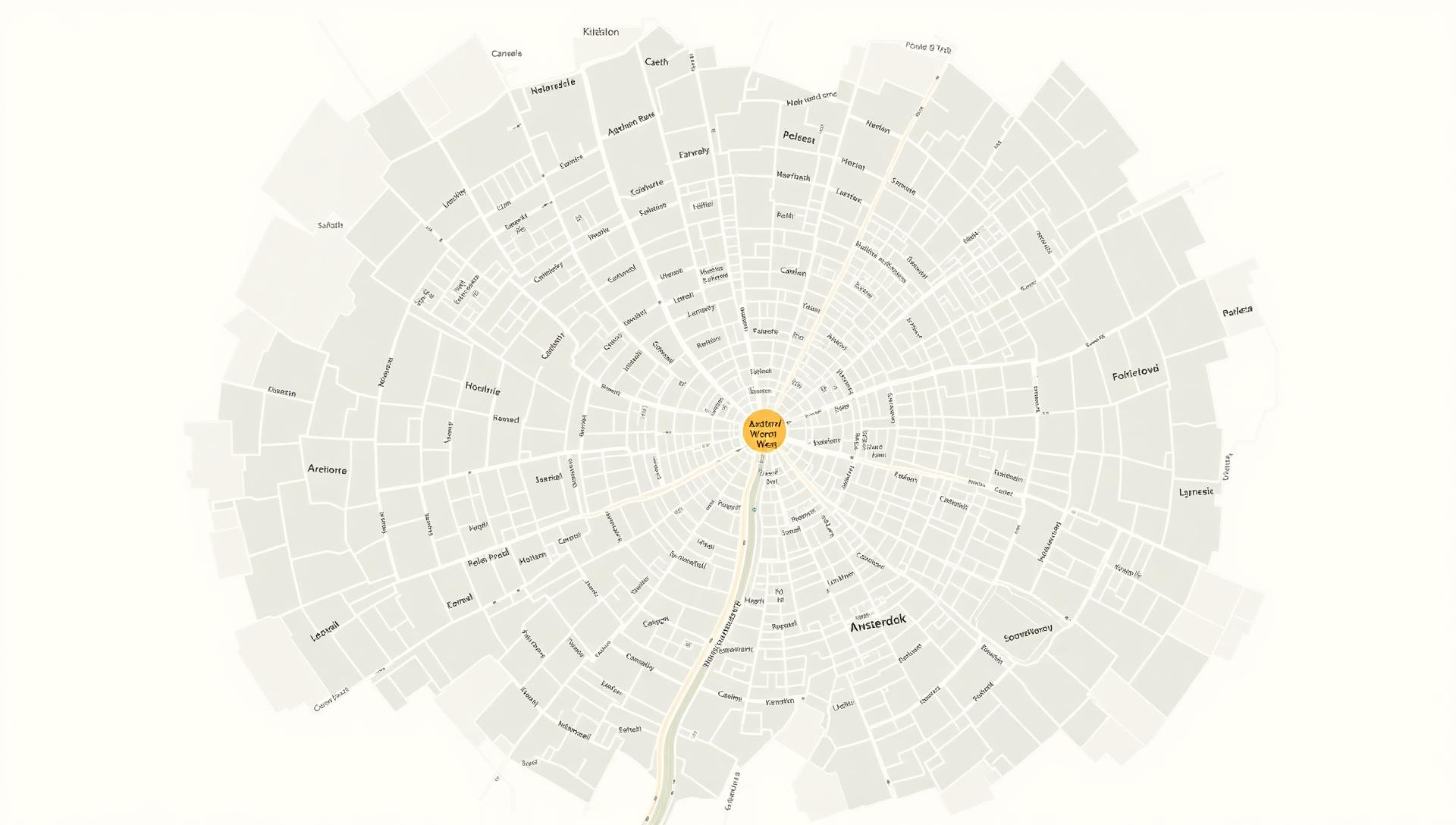
Dapperbuurt — market life east of the centre
A tight grid of streets in Oost built around the Dappermarkt, one of Amsterdam's most multicultural daily markets.
multicultural
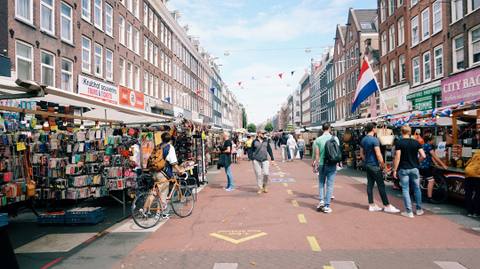
De Baarsjes — Mercatorplein and Amsterdam's most flavourful high street
Interwar Amsterdam School streets around Mercatorplein, where the Jan Evertsenstraat — “de Jan Eef” — serves the city's most multicultural plate.
Shopping
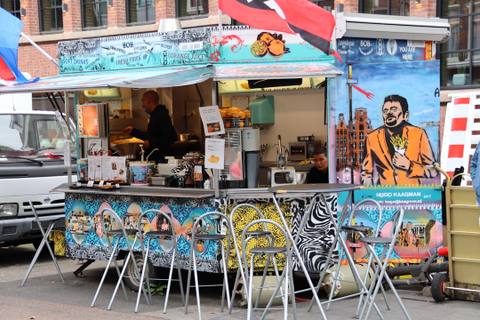
De Negen Straatjes (Nine Streets)
A charming grid of nine little cross-streets between the canals, the Nine Streets are the city's most delightful shopping pocket — independent boutiques, vintage and design, specialty shops and tiny cafés, in postcard-pretty surroundings.
Lively
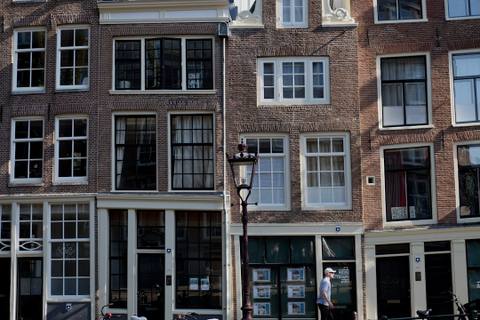
De Pijp
Lively, diverse and packed with places to eat, De Pijp is where locals send you for great food and everyday buzz. Home to the Albert Cuyp Market and the Heineken Experience, it's effortlessly cool and made for grazing.
Historic
De Wallen (Red Light District)
Amsterdam's oldest quarter is a tangle of medieval lanes and canals around the Oude Kerk — and the heart of the Red Light District. By day a fascinating historic centre; by night famously frank. A real, working neighbourhood with clear rules.
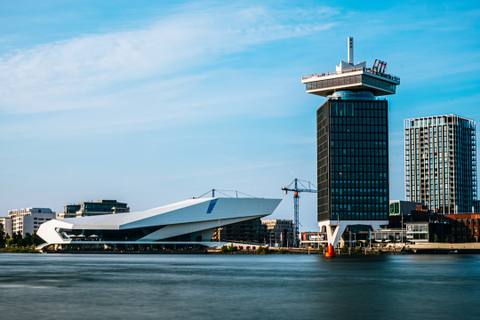
Waterside
Eastern Docklands
Where Amsterdam's old shipping harbours lay, the Eastern Docklands are now a showcase of bold modern architecture — reclaimed islands like Java- and KNSM-eiland, all big skies, water and sculptural bridges.
Residential
Frederik Hendrikbuurt — the quiet triangle between Jordaan and Westerpark
A residential wedge just west of the Jordaan where the Hugo de Grootplein has quietly become one of West's best small food squares.
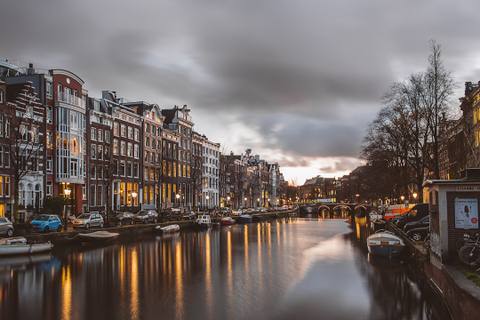
Historic
Grachtengordel (Canal Belt)
The UNESCO canal belt is the Amsterdam of the postcards — a horseshoe of grand 17th-century canals (Herengracht, Keizersgracht, Prinsengracht) lined with gabled merchant houses. Beautiful on foot, by bike or from the water.
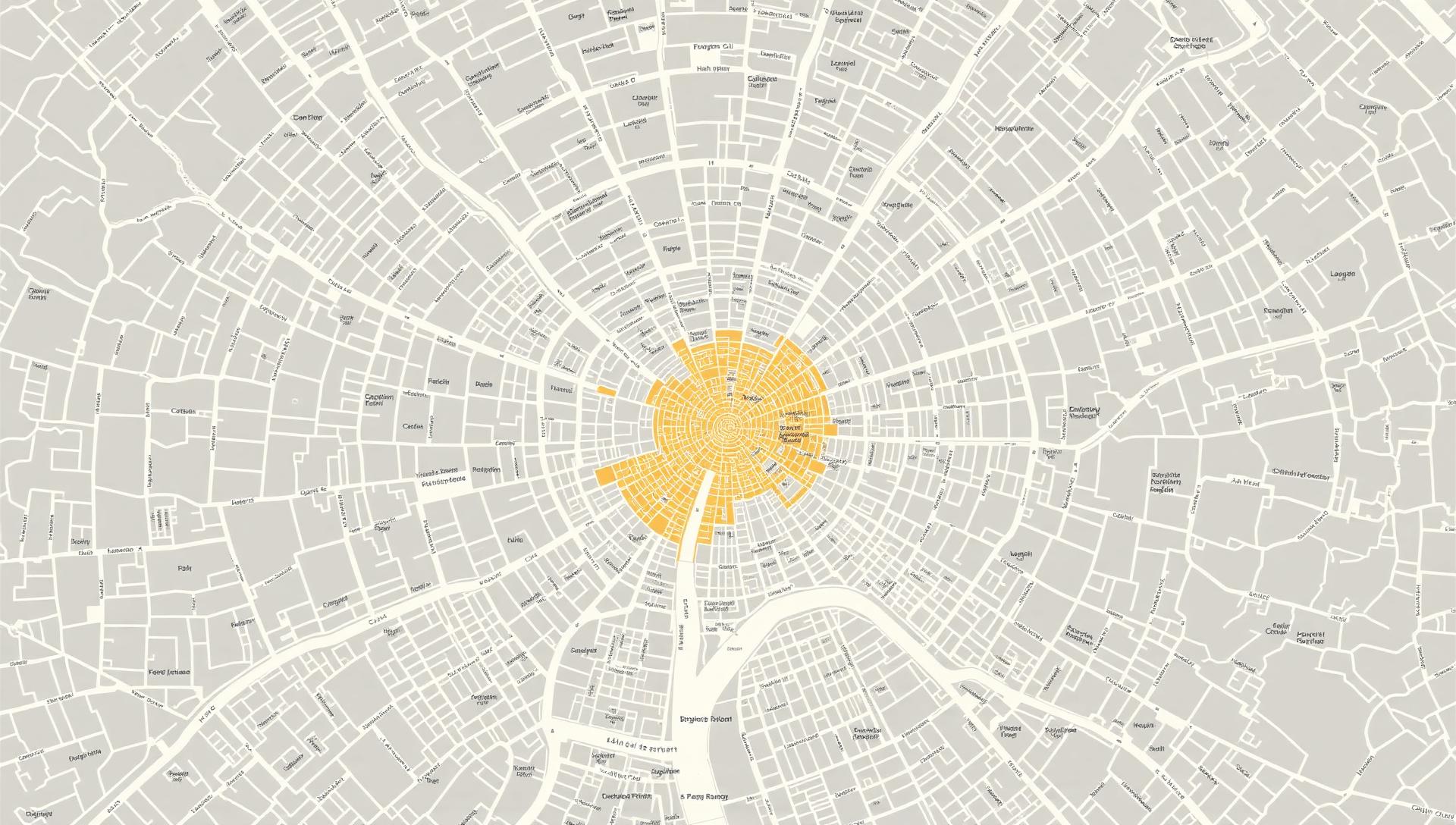
Foodie
Haarlemmerbuurt — Amsterdam's tastiest shopping street
The narrow belt between Central Station and the Westerpark, strung along the Haarlemmerstraat and Haarlemmerdijk — once voted the best shopping street in the Netherlands, and still the city's densest stretch of independent food shops and restaurants.
new-build
Houthavens — Amsterdam's newest neighbourhood, built on the water
Seven fresh islands where timber ports once stood: floating homes, the Pontsteiger landmark and Michelin-level dining on the quays.
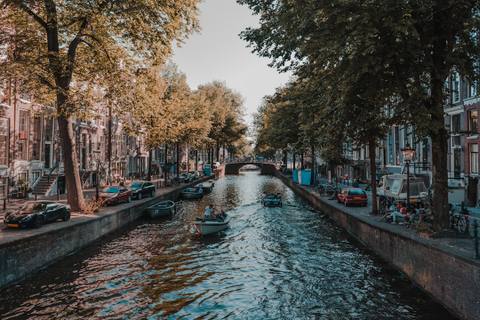
Diverse
Indische Buurt
One of the city's most diverse, fast-changing neighbourhoods, the Indische Buurt in Oost is a magnet for great, affordable food and a young, creative crowd, centred on the buzzing Javastraat.
modern architecture
Java-eiland — the modern island that plays with the old city
A 1990s residential island in the IJ that reinterprets canal-house Amsterdam: narrow modern façades, four small canals and long quaysides with harbour views.
Historic
Jordaan
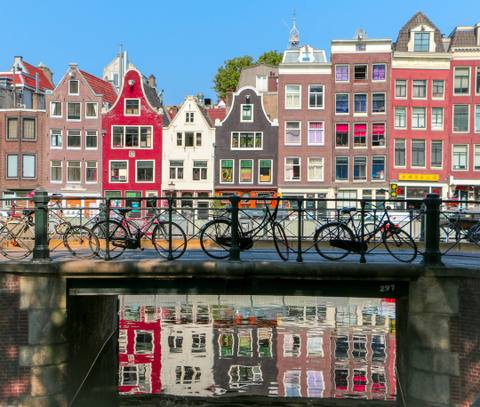
The Jordaan is Amsterdam's prettiest, most charming quarter — narrow lanes, leafy canals, hidden almshouse courtyards and brown cafés. Once working-class, now beloved for slow wandering, independent shops and a villagey feel right beside the centre.
Historic
Lastage — the forgotten quarter between Nieuwmarkt and the harbour
Amsterdam's first harbour expansion, anchored by the leaning Montelbaanstoren — Rembrandt's favourite sketching ground, now a calm pocket beside the busy centre.
Cultural
Museumkwartier (Museum Quarter)
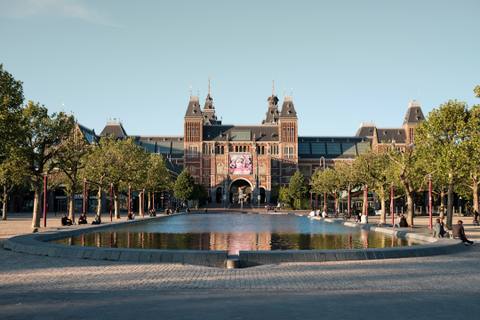
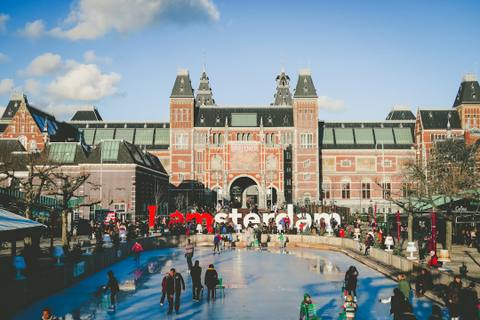
The city's cultural powerhouse, gathered around Museumplein — the Rijksmuseum, Van Gogh, Stedelijk and Moco, with the Concertgebouw nearby and the luxury P.C. Hooftstraat for shopping. The Vondelpark is on the doorstep.
industrial
NDSM — the shipyard that became Amsterdam's creative free state
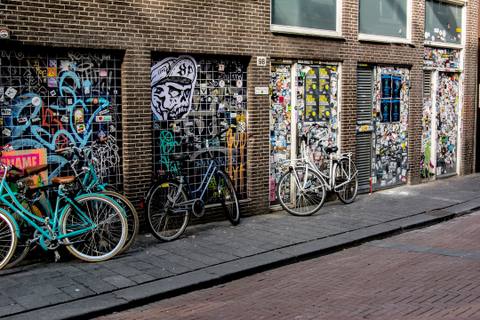
A vast former shipyard across the IJ, reached by free ferry: street art, warehouse culture, city beaches and Europe's largest flea market.
Historic
Nieuwmarkt
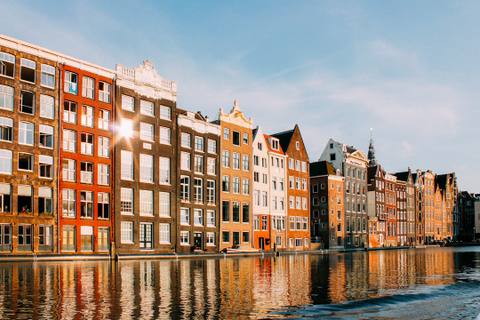
A lively central square crowned by the medieval Waag, Nieuwmarkt is full of café terraces, market days and history, where the old centre meets Chinatown's Zeedijk. A characterful, well-placed spot to sit and eat.
maritime history
Oostelijke Eilanden — where the VOC built its fleet
Kattenburg, Wittenburg and Oostenburg: the 17th-century naval islands behind the Maritime Museum, now a mix of wharf heritage and new city life.
Green
Oosterparkbuurt — Amsterdam Oost's green, layered heart
A dense, richly mixed neighbourhood wrapped around the Oosterpark, where late-19th-century blocks meet Wereldmuseum Amsterdam, the Dappermarkt and one of the city's most interesting food scenes.
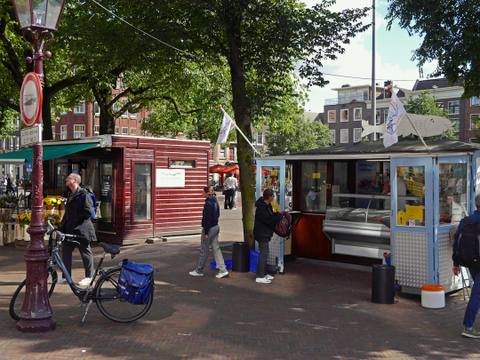
Trendy
Oud-West
Buzzing, young and food-obsessed, Oud-West is one of the most enjoyable areas to eat and hang out — lively 19th-century streets just west of the centre, with the Foodhallen and the Vondelpark on its southern edge.
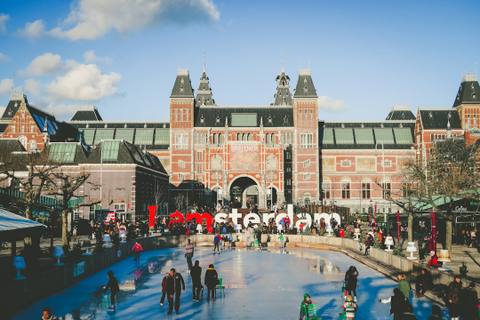
Elegant
Oud-Zuid
Gracious, green and well-heeled, Oud-Zuid is the city's most elegant residential district — wide streets of handsome townhouses, the Vondelpark, the Concertgebouw and the smartest shops.
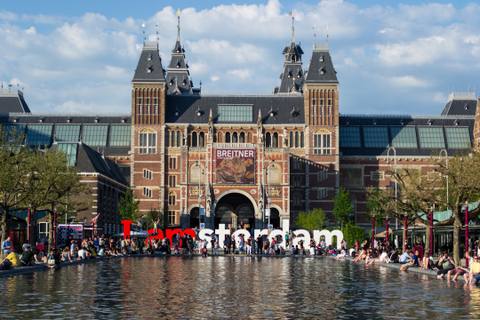
Green
Plantage
A green, genteel district of gardens and tree-lined avenues just east of the centre, Plantage holds some of the city's loveliest institutions — the Artis zoo, the Hortus Botanicus and the moving Jewish Cultural Quarter.
Amsterdam School
Rivierenbuurt — Plan Zuid brickwork and quiet star power
Berlage's 1920s garden district of river-named streets: Amsterdam School architecture, the Wolkenkrabber, Anne Frank's first Amsterdam address — and quietly serious restaurants.
Amsterdam School
Spaarndammerbuurt — the cathedral of the Amsterdam School
A workers' quarter behind the western docks that holds the movement's masterpiece: Het Schip, expressionist social housing as total art.
literary
Spui — books, brown cafés and the city's quietest courtyard
The literary heart of the centre: Friday book market, grand cafés Hoppe and Luxembourg, the Athenaeum newsstand and the hidden Begijnhof.
architecture
Stadionbuurt — Olympic grandeur and neighbourhood ease
The quarter around the 1928 Olympic Stadium, where Amsterdam School architecture meets a relaxed local restaurant scene.
Quiet
Van der Pekbuurt — Amsterdam Noord's oldest workers' quarter
A compact grid of early-20th-century social housing behind the IJ, now home to a market street, a growing café scene and some of Noord's best low-key restaurants.
Green
Watergraafsmeer — the polder that eats well
A drained 17th-century lake five metres below sea level: Park Frankendael's country estate, greenhouse dining at De Kas and leafy streets that feel like a village.
flea market
Waterlooplein — flea market, opera and the Jewish quarter's memory
The city's oldest flea market six days a week, the Stopera on the Amstel, Rembrandt's house around the corner — and four centuries of Jewish Amsterdam in the stones.
Quiet
Westelijke Eilanden — Amsterdam's secret harbour islands
Three 17th-century islands — Bickers, Prinsen and Realen — of former shipyards, wooden drawbridges and artists' studios, hiding in plain sight ten minutes from Central Station.
Green
Westerpark
A green, creative pocket just northwest of the Jordaan, Westerpark pairs a leafy park with the buzzing Westergas culture park — a former gasworks of cafés, cinema, galleries and festivals.
Modern
Zuidas — Amsterdam's high-rise district finds its flavour
The business district along the A10 has grown a real food scene — rooftop dining, schnitzel halls and chef-driven kitchens between the towers.