
Neighbourhoods
Jordaan
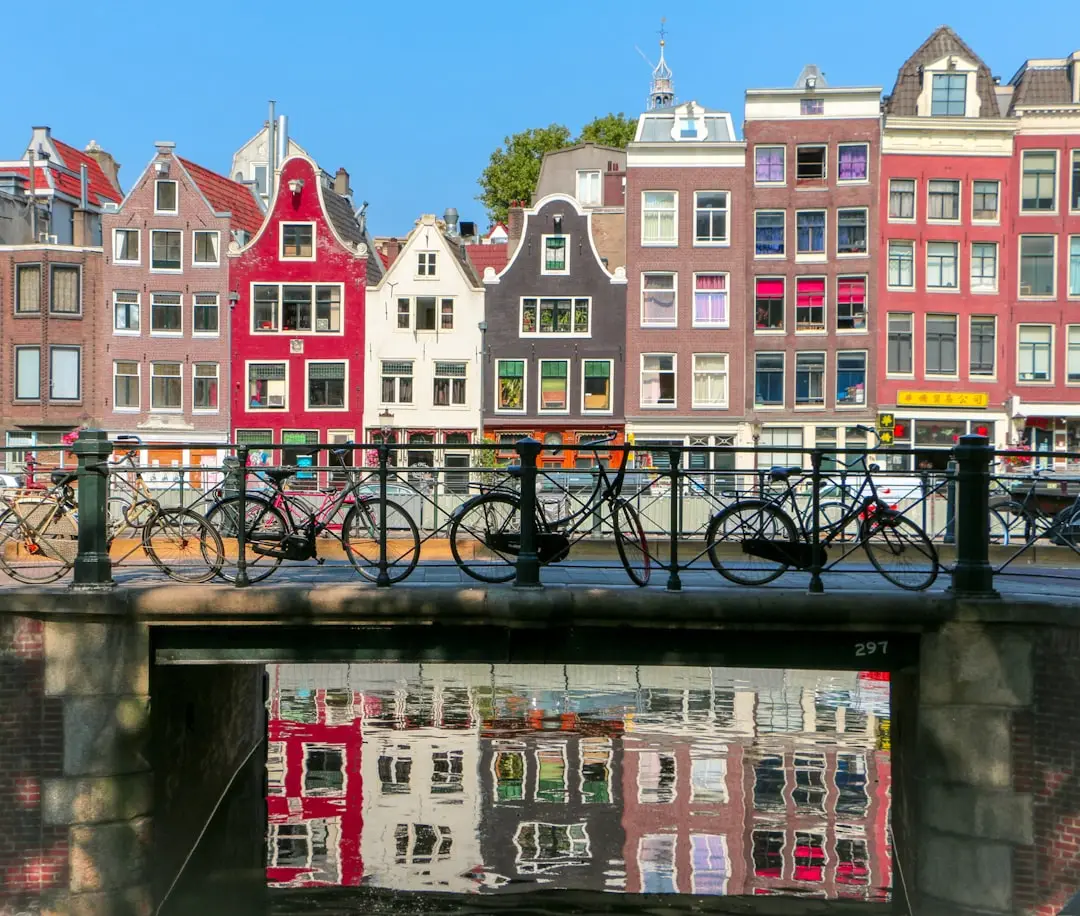
The Jordaan is Amsterdam's prettiest, most charming quarter — narrow lanes, leafy canals, hidden almshouse courtyards and brown cafés. Once working-class, now beloved for slow wandering, independent shops and a villagey feel right beside the centre.
- Historic
- Charming
- Foodie
The Jordaan is Amsterdam's most photogenic historic neighborhood — 17th-century workers' housing turned into a tightly-packed grid of narrow streets, hidden courtyards, and brown cafés. Best visited on weekday afternoons when the day-trippers have moved on, or Saturday morning at the Noordermarkt.
Best for
Canal photography and 17th-century architecture
Brown café culture and slow afternoon walking
Independent galleries, antique shops, vintage stores
Visitors who've already done the major museums
Couples and travelers without small children
Avoid if you want
Affordable restaurants — prices rose with the neighborhood
Nightlife — most cafés close before midnight
Big museums inside the area itself
Quiet during peak canal-cruise hours (11:00-16:00)
Quick Facts
Best time: Weekday afternoons or Saturday morning at Noordermarkt
Main attraction: Anne Frank House (border with Canal Belt, book weeks ahead)
Vibe: Postcard-pretty, slowed-down, expensive, residential at night
Average meal price:
Transport: Tram 13/17, or 10 min walk from Centraal Station
Walkability: Excellent — small grid, all distances under 15 min
Skip if: You want budget options or street-food culture (try De Pijp)
The Jordaan was never meant to be charming. Built in the 1610s as cheap housing for the workers digging the canals around it, the neighborhood spent three centuries being poor and crowded — packed with immigrants, cottage industries, and the occasional outbreak of cholera. The transformation into Amsterdam's most expensive village happened mostly in the last forty years. What stayed: the street pattern (narrow, slightly askew, almost medieval), the canals (Brouwersgracht, Prinsengracht, Bloemgracht), and a neighborhood pride that long predates the boutique cheese shops.
What it's actually like
Most of the Jordaan is residential. The streets are narrow, the houses tall and skinny with the famous gabled tops, the canals constant — you cross one every two minutes of walking. The neighborhood is small (roughly a 25-minute walk corner to corner) but dense with character: at any moment you're a 30-second walk from a brown café, an antique shop, a hofje (hidden courtyard), or a tour boat passing by.
What changed: the neighborhood gentrified completely. Working-class families that defined the Jordaan in the 1970s have largely moved to Amsterdam-Noord or further out. What replaced them: lawyers, designers, retirees from the wealthier suburbs. Rents are among the highest in the city. The Jordanees accent — the unmistakable broad Amsterdam dialect — is now rare among under-50s living here.
Day-trippers from cruise ships and tour buses arrive between 10:00 and 16:00, mostly clustering around the Anne Frank House and the photogenic stretches of Prinsengracht. Outside those hours and that radius, the neighborhood is quiet. Sundays after 19:00 it can feel almost empty.
Where to start
For a first walk, allocate 90 minutes and start at the north end.
Begin at the Noordermarkt (Prinsengracht corner with Westerstraat). Saturday morning the farmer's market is on; Monday morning the flea market. Other days it's just the church and the open square.
Walk south along Prinsengracht (the canal on your left). Westerkerk appears after five minutes — Amsterdam's tallest church tower, where Rembrandt is buried.
Cut west into Egelantiersstraat. The Egelantiershofje (number 107-145) is sometimes open during daylight — peek in if the gate is unlocked.
Loop back via Bloemgracht — the prettiest small canal in Amsterdam, lined with houseboats and surprisingly few tourists for the photo quality.
End at Café 't Smalle (Egelantiersgracht 12), a 1786 jenever distillery turned brown café with a small floating terrace.
Where to eat and drink
Jordaan restaurants run from affordable lunches to high-end tasting menus. The neighborhood is small enough that anything good gets booked solid — reservations matter here more than in De Pijp.
Daalder at Lindengracht 90 — small kitchen, restless Dutch tasting menu, with the full menu on the pricier side. The dining room seats 30. Book 2-3 weeks ahead for weekends.
Winkel 43 on the corner of Noordermarkt and Westerstraat — known city-wide for the apple pie, often called the best in Amsterdam. Slices are sold for a modest price. Weekend mornings the queue runs out the door.
Café 't Smalle at Egelantiersgracht 12 — small brown café, working since 1786, small canal terrace. Drinks not food. The kind of place to read a book for an hour.
De Reiger at Nieuwe Leliestraat 34 — neighborhood bistro, Dutch and French, with mid-range mains. Locals book Friday or Saturday a week ahead.
Toscanini at Lindengracht 75 — Italian, family-run since 1986, the kind of place where the menu doesn't change and the same waiter has worked there for twenty years. Mains are in the mid-price range.
Where to stay
The Jordaan has more boutique hotel choice than most Amsterdam neighborhoods — small properties in 17th-century buildings, expensive but distinctively local.
Pulitzer Amsterdam at Prinsengracht 323 — twenty-five connected canal houses turned into one quietly grand hotel. Room rates are in the higher range. Probably the best canal location in the city.
Mr. Jordaan on Bloemgracht — smaller, more design-led, with rooms in the mid-price range. Limited rooms, books up early.
Beyond these, the Jordaan has smaller B&Bs along the side streets — search Booking.com or Airbnb for 'Jordaan' for rooms in the mid-to-upper price range. Bring earplugs if you book a canal-facing room: tour boats run from 09:00 to 22:00.
Hidden corners locals know
The Jordaan is dense with hofjes — small almshouses built around private courtyards, originally for poor widows. Most are still residential and not officially open, but several have gates that are unlocked during daylight hours. Walk quietly and don't photograph the buildings if residents are present.
Egelantiershofje (Egelantiersstraat 107-145) and Claes Claeszhofje (Eerste Egelantiersdwarsstraat) are the two most accessible. Sint Andrieshofje (Egelantiersgracht 107) is sometimes open.
The Noorderkerk on the Noordermarkt is open on weekday mornings between 11:00 and 13:00 — small wooden interior, free to enter, almost always empty.
The Looier antique market (Elandsgracht 109) — covered indoor market across five connected buildings, mainly 1940s-1970s items. Saturday is busy, Wednesday is dead, and dealers negotiate on Wednesday.
What to skip
The Anne Frank House line if you didn't book ahead. Tickets sell out 4-6 weeks in advance year-round, and standing in line hoping for cancellations rarely works. Either book early or accept you're not going.
Tour-boat tickets bought at the dock at Prinsengracht. The price is identical to booking online but the dock often means longer waits. The Lovers boats are the touristy ones; smaller operators run quieter trips.
The restaurants on the Anne Frank House side of Prinsengracht. Tourist-priced for the location, mostly indifferent kitchens. Walk one street back from the canal for better food at lower prices.
Getting around
The Jordaan is too small to need public transport once you're inside it. From elsewhere in the city:
Tram 13 or 17: Westermarkt stop (south end, Anne Frank House nearby)
From Centraal Station: a 10-minute walk west along Prins Hendrikkade and Haarlemmerstraat
Tram 3 runs the western edge along Marnixstraat
Bicycle: the side streets are too narrow for comfortable cycling; walk these
Best time to visit
Autumn (September-October) is the quiet sweet spot — cool weather, less canal traffic, leaves turning along Bloemgracht. The streets photograph better in this light than in summer.
Saturday morning at the Noordermarkt farmer's market (9:00-15:00) is the one tourist-busy moment of the week worth being inside. Real Amsterdammers shop here. Monday's flea market (9:00-13:00) is quieter and cheaper.
Avoid the Jordaan between 11:00 and 15:00 in July and August — the Anne Frank queue extends along Prinsengracht and tour groups cluster at every photogenic bridge.
Facts and figures
Built: 1610s as workers' housing west of the medieval city
Borough: Amsterdam-Centrum
Boundaries: Brouwersgracht (north), Prinsengracht (east), Leidsegracht (south), Lijnbaansgracht (west)
Population: approximately 18,000 residents in 0.9 km²
Westerkerk: completed 1631, tallest church tower in Amsterdam at 87m, Rembrandt buried here in 1669
Noordermarkt: founded 1620 as Amsterdam's first market; Saturday biomarket and Monday flea market
Anne Frank House: Prinsengracht 263 (the canal edge, but tour-mapped as Jordaan)
How it compares to other Amsterdam neighborhoods
Jordaan vs De Pijp: De Pijp is denser, louder, more food-focused, and feels like a working neighborhood. Jordaan is older, prettier, quieter at night, and aimed more squarely at the visitor and high-end resident.
Jordaan vs Grachtengordel: The canal belt sits east across Prinsengracht — grander houses, wider canals, more big-name hotels. Jordaan is the village version of the same century: smaller streets, smaller houses, more intimate.
Frequently asked questions
Do I need to book the Anne Frank House in advance?
Yes — tickets release approximately 6 weeks ahead and sell out within hours. There is no standby line. If you didn't book, the museum is not an option.
Can I walk to the Jordaan from Centraal Station?
Yes, 10-12 minutes west along Prins Hendrikkade then Haarlemmerstraat. It's the easiest entry point.
What's the closest tram stop to the Anne Frank House?
Tram 13 or 17 to Westermarkt. The Anne Frank House is a 2-minute walk from there.
Is the Jordaan safe at night?
Yes — it's residential and well-lit. Most cafés close by 01:00 and the streets are quiet but populated.
Where can I eat cheaply in the Jordaan?
Winkel 43 for cake and coffee, the bakery counters at Noordermarkt on Saturday morning, or the takeaway counters at Café Restaurant Amsterdam. For full meals on a budget, you're better off in De Pijp or Oud-West.
When does the Noordermarkt run?
Saturday 09:00-16:00 (organic farmer's market) and Monday 09:00-13:00 (flea market and antiques). Other days the square has a few permanent stalls but no proper market.
Plan your visit
Reserve a table
Daalder books out 2-3 weeks ahead for Friday and Saturday dinners — reserve via daalderamsterdam.nl or TheFork. De Reiger and Toscanini accept reservations by phone, usually 3-7 days ahead. Café 't Smalle and Winkel 43 are walk-in only.
Find a hotel
The Pulitzer books direct via pulitzeramsterdam.com or through Booking.com — prices match on both. Mr. Jordaan is small, often available only on Airbnb. For canal-side B&Bs in the mid-to-upper price range, search 'Jordaan' on Booking.com.
Tours and tickets
Anne Frank House tickets release ~6 weeks ahead at annefrank.org — book the moment they appear. For canal cruises, smaller operators (Those Dam Boat Guys, Captain Jack) offer quieter tours than the big Lovers boats; book via GetYourGuide. Free Jordaan walking tours start daily from Dam Square.
Continue your day
Walk 5 minutes east across Prinsengracht into the Grachtengordel for the wider canal experience. Walk 10 minutes north to Westerpark for green space. Walk 15 minutes south through Leidseplein to reach the Museumkwartier for the Rijksmuseum and Van Gogh Museum.
Related guides
De Pijp neighborhood guide — Jordaan's louder, food-focused counterpart
Grachtengordel guide — UNESCO canal ring east of Jordaan
Anne Frank House visitor guide — how to book, what to expect
Best canal cruises in Amsterdam — operators compared, what's worth it
Where to stay in Amsterdam by neighborhood — Jordaan, Grachtengordel, De Pijp, Oud-Zuid compared
Best for
- Romantic strolls & canal scenery
- Brown cafés and independent shops
- The Noordermarkt
- A charming central base
Avoid if you want
- Big-name sights inside the area
- Budget prices
- Late-night clubbing
Where to eat
Café de Klepel
A tiny French bistro on Prinsenstraat with a daily-changing prix-fixe menu, deep wine list, and a yellow-striped awning — book three weeks ahead.

Moeders
Traditional Dutch home cooking on the edge of the Jordaan, in a room covered with hundreds of photos of mothers since 1990.
The Jordaan corner café behind Amsterdam's most famous appeltaart — best after a wander round the Noordermarkt.
What to see

Anne Frank House
The canal house where Anne Frank hid and wrote her diary. Tickets only online, weeks ahead.

Noordermarkt
A historic Jordaan square hosting two beloved markets: a Monday flea market and Saturday's organic farmers' market, beside the 17th-century Noorderkerk.

Westerkerk
A landmark Protestant church on the Prinsengracht; climb the 85m Westertoren for canal views.
Nightlife in this neighbourhood
Café 't Smalle
A classic canal-side brown café on the Egelantiersgracht with a coveted waterside terrace.
Café Chris
One of the oldest brown cafés in the Jordaan, pouring since 1624.
Café de Twee Zwaantjes
A compact Prinsengracht brown café with pure Jordaan energy — sing-alongs, karaoke and Dutch classics late into the night.
Café Papeneiland
A cosy 17th-century corner café on the Prinsengracht, famous for its apple pie.
Maloe Melo
Amsterdam's home of the blues — a small, sweaty Jordaan club with nightly live music.
Soundgarden
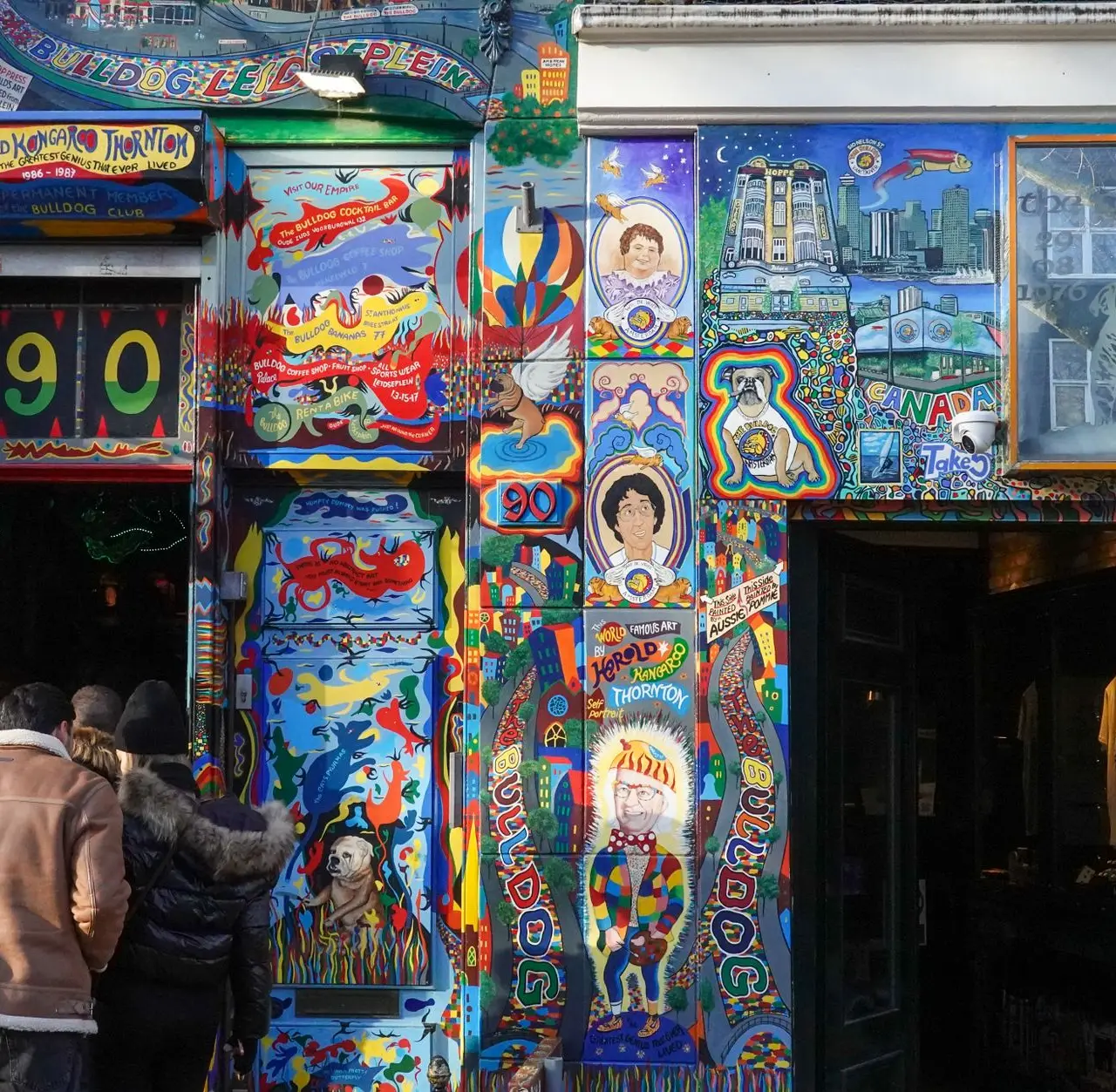
A grungy dive bar with cheap beer, pool and a canal-side garden out back.
Where to stay

Getting there
Directions from the nearest transit hubs to Jordaan.
Amsterdam's main station — intercity, sprinter, metro 51/52/53/54, most tram lines and city ferries all depart here.
Walk or tram from the centre
Frequently asked
- Is the Anne Frank House here?
- On the Jordaan's edge (Prinsengracht) — book timed tickets well ahead.
- What's a hofje?
- A hidden almshouse courtyard; several dot the Jordaan.
- Good for shopping?
- Yes — boutiques and the Noordermarkt.